Learning in the Classroom
Play provides the foundation for academic or “school” learning. It is the preparation children need before they learn highly abstract symbols such as letters (which are symbols for sounds) and numbers (which are symbols for number concepts). Play enables us to achieve the key goals of our early childhood curriculum.
The most important goal of our early childhood curriculum is to help children become enthusiastic learners. This means encouraging children to be active and creative explorers who are not afraid to try out their ideas and to think their own thoughts. Our goal is to help children become independent, self-confident, inquisitive learners. We’re teaching them how to learn, not just in preschool, but all through their lives. We’re allowing them to learn at their own pace and in the ways that are best for them. We’re giving them good habits and attitudes, particularly a positive sense of themselves, which will make a difference throughout their lives.
Curriculum
The Creative Curriculum identifies goals in all areas of development,
- Social: To help children feel comfortable in school, trust their new environment, make friends, and feel they are a part of the group.
- Emotional: To help children experience pride and self- confidence, develop independence and self-control, and have a positive attitude toward life.
- Cognitive: To help children become confident learners by letting them try out their own ideas and experience success, and by helping them acquire learning skills such as the ability to solve problems, ask questions, and use words to describe their ideas, observations, and feelings.
- Physical: To help children increase their large and small muscle skills and feel confident about what their bodies can do.
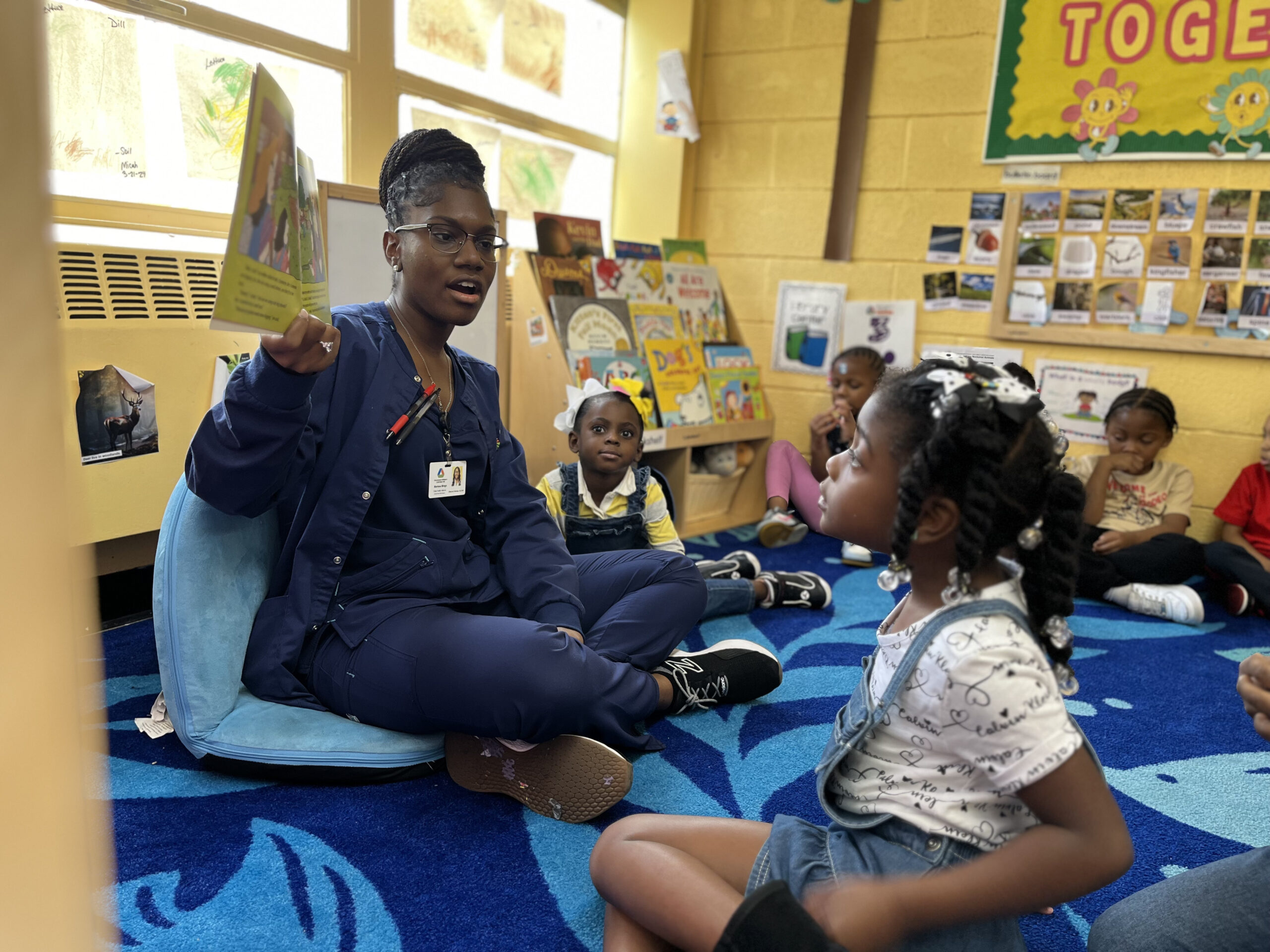
Opening the World to Learning (OWL) is a Pre-K curriculum that offers learning experiences and materials that develop language and early literacy skills in content areas such as math, science, and social studies. The curriculum is organized around eight thematic units that include daily lesson plans for whole group activities, small group activities, and learning centers. OWL currently identifies ten developmental domains. The curriculum provides detailed guidance for daily lessons and learning to support children’s development in each domain. OWL is fully aligned with the Head Start Child Development and Early Learning Outcome Framework as well as Mississippi Early Learning Standards for Classrooms Serving Infants – Four-Year-Old Children. OWL is currently the only state-approved curriculum for Pre-K children in the state of Mississippi.
The Sesame Street in Communities Brave, Strong, Resilient builds skills through exploring feelings and ways to solve problems. Children will learn to:
- Label, express and manage feelings
- Understand the feelings of others
- Calm down when they are frustrated or have a problem
- Identify a problem and come up with ways to solve it
- Ask for help from caring adults
The foundation for school readiness begins early in life. School readiness means that children are ready for school; they possess the skills, knowledge and attitudes necessary for success in school and later in life. School readiness also means that families are ready to support their children’s learning. The relationship with parent and child; and child and teacher are necessary to school readiness success. Parents and families are a child’s first teacher and are a necessary component to school readiness and success. Early childhood education and school readiness support children’s learning across the education continuum with daily routines, developing secure relationships, and creating opportunities of learning to promote self-regulation skills. (https://eclkc.ohs.acf.hhs.gov/school-readiness)